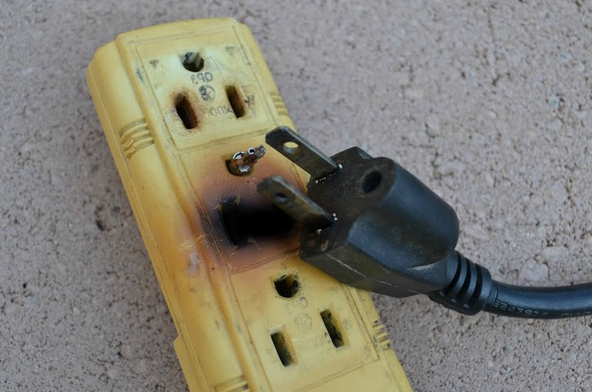
First of all, here is one of the most important things any electrician will tell you:
Never, ever ignore the warning signs of problems in your electrical system. Whether it’s a popping noise from an outlet, a light switch that runs extremely hot, or a breaker that won’t reset, it’s important that you take every issue seriously.
There are several warning signs of electrical problems in the home that you should be aware of. Here are some of the most common:
- Flickering or dimming lights: This could indicate a loose connection, a damaged fixture, or an overloaded circuit.
- Frequent tripping of circuit breakers or blown fuses: This could indicate an overloaded circuit, a faulty appliance, or a wiring issue.
- Burning smell or sparks: This is a serious warning sign of an electrical issue and should be addressed immediately. It could indicate a damaged wire, overloaded circuit, or faulty electrical equipment.
- Buzzing or humming sounds: This could indicate loose or faulty wiring, or a problem with an electrical component
- .Hot or discolored outlets or switches: This could indicate a wiring issue, or an overloaded circuit.
- Electrical shocks: If you experience an electrical shock when touching an appliance or switch, it could indicate a wiring issue or faulty equipment.
- High electricity bills: If your electricity bills suddenly increase without an obvious reason, it could indicate an issue with your electrical system, such as an inefficient appliance or wiring problem.
Bottom line:
If you are experiencing ANY of the warning signs listed above, call us immediately at 613-484-0989
OR...
Fill out the quick form and we will follow up as soon as possible.

To the best of our knowledge, vampires are not real. BUT... vampire draws are real.
Unlike Dracula, vampire draws don’t drain your blood, but they will suck dollars out of your wallet.
Electrical devices with a “standby” mode and things that use remote controls always need a steady stream of power to wake up quickly. In addition, charging devices such as phone chargers and laptop chargers draw power even when not plugged into their device.
When electricians get calls about high energy bills, “vampire” devices are often the first thing they look at as potential culprits.
Also known as standby power or phantom load, electrical vampire draw refers to the power consumed by electronic devices even when they are turned off or in standby mode. This is because many devices, such as televisions, chargers, and other electronics, continue to draw a small amount of power even when they are not actively in use.
While the amount of power drawn by each device is typically small, the cumulative effect of multiple devices can be significant. According to Hydro One, vampire power can account for up to 10% of household energy use.
Reducing vampire power can help to save energy and reduce electricity costs. Some ways to reduce vampire power include:
- Unplugging electronics when they are not in use
- Using power strips with on/off switches to turn off multiple devices at once
- Choosing energy-efficient devices with low standby power consumption
Setting devices to power-saving or sleep modes when not in use.
By reducing vampire power, you can not only save money on your electricity bill but also help to reduce your carbon footprint and contribute to a more sustainable future.
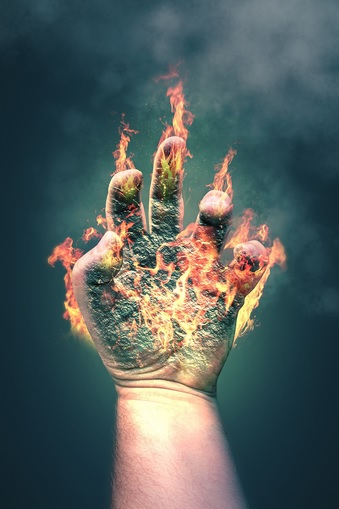
No, low voltage does not necessarily mean NO danger.
While low voltage electrical systems are generally considered to be less dangerous than high voltage systems, they can still pose a risk of electrical shock and injury if not properly installed, maintained, or used.
Even a low voltage shock can cause muscle contractions, burns, and other serious injuries, especially if the shock occurs in a sensitive area, such as the head or chest. In addition, low voltage systems can still pose a risk of fire and other hazards if they are not properly installed or maintained.
It is important to follow proper electrical safety practices and to have a qualified electrician inspect and make any necessary repairs or upgrades to your electrical system to ensure the safety of your home and family. This includes avoiding contact with electrical devices or wiring, using GFCI outlets in areas where there is a risk of electrical shock from water and moisture, and having regular inspections and maintenance of your electrical system.
Easy answer... Contact THE JET CREW!
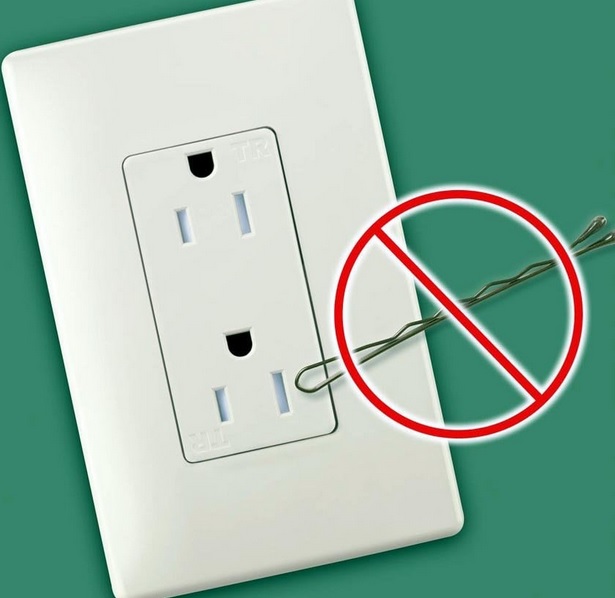
Tamper-Resistant Receptacles (TRRs) are electrical outlets designed with internal shutters that prevent foreign objects, such as keys, hairpins, and other metal objects, from being inserted into the receptacle slots. TRRs help to reduce the risk of electrical shock and electrocution, especially for young children, by preventing accidental contact with electrical current.
TRRs are required by the National Electrical Code (NEC) in certain areas of the home, such as in new construction and renovation projects, where receptacles are installed in areas accessible to children. These areas include bedrooms, living rooms, dining rooms, family rooms, playrooms, and other similar areas.
It is important to note that TRRs are not a substitute for proper electrical safety practices, such as keeping electrical appliances and cords away from water, never using electrical devices with wet hands or while standing in water, and using GFCI outlets in areas where there is a risk of electrical shock from water and moisture.
Using TRRs can be a good safety measure for homes with children or areas where children are present. However, they may not be necessary in all areas of the home. If you are unsure about whether or not to use TRRs in your home, it is important to consult with a qualified electrician who can help you determine the best safety measures for your home and family.
Want to change to TRR's in your home? Contact the Jet Crew!
Text goes here